A good sidewalk does more than ferry individuals from driveway to door. It structures plant beds, sets the tone for aesthetic allure, and silently deals with numerous footprints, damp winters months, and the odd wheelbarrow run without issue. When home owners begin valuing interlacing pavers, the next question follows rapidly. Should I spend a couple of weekend breaks and do this myself, or generate a crew and be performed in two days? I have built and reconstructed adequate paver surface areas to state that either approach can be right, but the smarter selection relies on dirt, range, and resistance for the sort of information job people rarely see yet always feel.
What it really requires to develop a pathway that lasts
Interlocking pavers do not stop working on the surface, they fall short below the surface. Most callbacks I see, whether for a sunken action area or a journey edge that appeared after winter months, trace back to faster ways in excavation, base prep, and drain. The pavers are the least of it. A sidewalk that is true time after time rests on a stable, well drained pipes, well compressed foundation.
For a common domestic Sidewalk Paving Installation in a temperate environment, you are checking out an excavation depth of 7 to 11 inches from completed grade. That depth permits room for a geotextile fabric where dirts are soft or silty, 4 to 6 inches of compressed angular base aggregate, 1 inch of screeded bed linen sand, and a paver thickness around 2.36 inches, known as 60 mm. In frost areas, I push the base closer to 8 inches and widen it past the paver edge by at least 6 inches to stand up to side creep. In sandy or arid regions, you might decrease the base an inch or more, however only if the subgrade compacts firm.
Compaction issues greater than deepness. Two passes with a plate compactor on loose rock does practically absolutely nothing. You need to construct in lifts. Spread 2 inches of base, small up until home plate leaves almost no imprint, repeat. Home plate compactor should evaluate a minimum of 200 pounds with a centrifugal force in the 3,000 pound range for sidewalks. Individuals usually inquire about hand tampers. They have their location for sides and dilemmas, but for anything beyond a number of small tipping areas, a hand meddle feels like using a spoon to dig a pond.
Drainage is the other unseen hero. Sidewalks should fall away from your house by about 1 to 2 percent, which converts to a 1 to 2 inch drop over 8 feet. If the quality runs the various other direction, present a cross incline or discreet network drains prior to the water discovers your foundation. I had a project where the home's front action rested low about the backyard. We set up a 3 foot vast pathway with a 2 percent cross incline towards a gravel trench. Five winters later on the joints still look crisp, and the house owner quit getting that springtime mildewy odor in the foyer.
The do it yourself situation, and when it shines
If you are hands on, have a weekend break or more to give, and the walkway course is simple, do it yourself can be deeply satisfying. You control the style from pattern to paver shade, you can finesse curves the method you such as, and you save on labor. On tiny straight runs under 30 feet, with excellent accessibility for products and no hefty https://gregoryxava747.tearosediner.net/sustainable-solutions-permeable-interlacing-pavers-for-driveway-installment cutting, I often encourage capable homeowners to go all out. The outcomes can equal expert work when the base is respected and the layout is thoughtful.
Budget belongs to the draw. Product price for a normal 100 square foot pathway ranges extensively by region and product, however an affordable ball park looks like this. Pavers, 4 to 8 bucks per square foot for concrete interlock. Base stone and sand, 1.50 to 3 bucks per square foot depending upon depth. Edge restraint, spikes, and geotextile if required, concerning 1 to 2 bucks per square foot combined. Polymeric sand and incidentals, around 1 buck per square foot. Done in, materials for a tiny walkway frequently land in between 700 and 1,400 dollars. A professional installment can include 12 to 25 dollars per square foot for labor, supervision, and equipment. That implies a DIYer might conserve 1,200 to 2,500 dollars on a 100 square foot job, occasionally more.
The discovering curve is genuine, however convenient. Screeding a constant 1 inch sand bed takes technique. So does cutting tight arcs without eating the sides of the pavers. Yet those are learnable skills with a couple of YouTube tutorials and a few examination cuts on scrap. The heavy lift is logistics. Rock and sand deliveries require staging room. The compactor rental need to align with your timetable. It also aids to have a close friend on set day so you can feed pavers to the person on the pattern while somebody else maintains the screed lanes moving.
A quick self-check for do it yourself readiness
- I can lease and securely use a plate compactor, damp saw, and hand tools for 2 weekends. The sidewalk path comes for material delivery and not pressed between fixed obstacles. The dirt drains pipes sensibly well, or I am prepared to add a water drainage plan. I am comfortable examining slope with a string line, degree, and grade stakes. I approve that the last 10 percent, edging and cuts, will certainly take 40 percent of the time.
If that listing feels available, do it yourself is viable. If it triggers dread, your cash is better spent hiring experience.
When an expert crew is the smarter spend
There are tasks where also skilled DIYers struggle to validate the moment and risk. Time, specifically, compresses for a crew. A 3 individual team with one operator on the compactor, one on cuts, and one on set can finish what a solo home owner takes on in two weekends by Tuesday afternoon. That rate is not concerning rushing. It is about repetition and division of labor.
Complex geometry suggestions the range toward professional aid. Intricate curves around planting beds, a herringbone pattern that must string in between stoop and driveway without bits, or a sidewalk that flares elegantly at the road, these need accuracy and a damp saw running throughout the day. I remember a project where we established a sweeping dual soldier training course around a crescent garden. There were greater than 140 cuts in a 60 square foot area. The house owner had tried the very first dozen, then called us. Their effort was earnest, however the outcome appeared like puzzle pieces from various boxes.
Subgrade issues likewise suggest for a pro. Extensive clay, a current trench for utilities that still intends to work out, or any kind of area where the pathway shifts from fill to native dirt, all call for geotextile selection, base depth modifications, and occasionally open graded base with a various compaction sequence. Crews that do this regular read the dirt by feeling and by the sound of the compactor. That audio, dull or ringy, informs you whether the lift has locked.
Warranty and responsibility lug weight too. A reliable specialist will guarantee the help one to 3 years on settlement and side stability, sometimes longer on workmanship. They likewise carry insurance policy. If the worksite kisses the neighbor's fence or an irrigation main gets nicked, you want insurance coverage. Homeowners handling DIY approve that responsibility themselves.
The middle path, and why partial having works
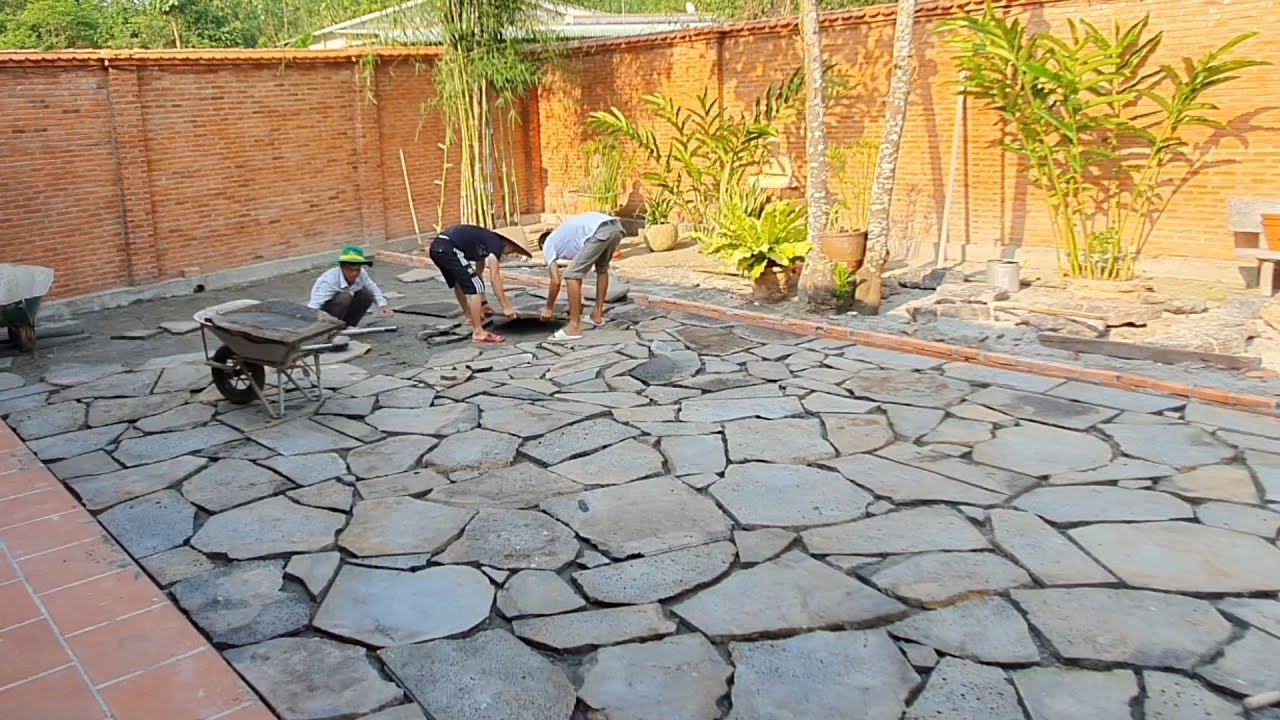
It is easy to believe the only choices are solo or turnkey. On many pathways, a hybrid approach supplies the best worth. I commonly split tasks by doing this. The home owner deals with trial, format, and transporting dug deep into soil to a leased dumpster. My team arrives to mount the geotextile, base, and bedding layer, then establishes the first numerous courses to secure patterns and corners. The property owner finishes the field setting, calls us back for cutting, edging, and final compaction with polymeric sand. This shares labor in such a way that protects top quality on the risk-prone steps while providing the home owner hands-on time.
Hybrid work demands clear duties and days. The base can not sit subjected to rainfall and wheel ruts for a week before pavers go on. If weather intimidates, tarpaulins and plywood hosting paths are required. I encourage homeowners to obstruct time securely in two or 3 day portions and to approve that the team's timetable will certainly be the rate limiter. The cost savings are not as dramatic as full do it yourself, however reducing the labor costs by 30 to 50 percent is common.
Tools and materials, and where not to compromise
Pavers are the attractive component of Sidewalk Paving Installation, yet the humble things shield your financial investment. A woven geotextile separates soil and rock without trapping water. Avoid it in clean, compactable sand, and you may be great. In silts and clays, it is low-cost insurance policy. Edge restraint, whether light weight aluminum rail or concrete curb, keeps the lattice from moving. Spikes ought to hit the compressed base, not simply the sand, at 10 to 12 inch intervals on straights and a little bit tighter on curves.
Polymeric sand deserves the added cost in a lot of environments. It secures joints and resists washout and weeds much much better than ordinary joint sand. Follow the wetting guidelines to the letter. Excessive water also quick floodings polymers to the surface and leaves a hazy crust that takes weeks to disappear. A light haze, allow it saturate, another pass, then a final light pass benefit a lot of products. Move extensively prior to you wet, and keep a blower available to clear paver faces.
Cutting tools affect fit and surface. A 10 inch wet saw on a sliding table returns clean edges and more secure procedure than a portable gas saw for the majority of house owners. Specialists utilize both, picking the device for the cut. Curves appear cleaner if you nibble the line with a number of straight cuts, after that alleviate the arc against the blade. It takes some time, yet the side checks out as a single moving line when sanded lightly with a ruby pad.
Design choices that impact difficulty
Pattern intricacy ranges with effort. Running bond, with each paver balanced out by half its size, is the most forgiving. Herringbone locks snugly and stands up to creep, however it multiplies cuts at sides and ends. Basketweave looks straightforward, yet becomes fiddly around contours. A keystone-style fan pattern brings charm to a home path but is a bear on labor. If you are brand-new to the job, a running bond with a different soldier training course boundary provides you a clean, classic outcome with minimal cutting.
Curves are entitled to planning. A lengthy smooth distance checks out softer to the eye than a series of brief kinks. On website, I set out contours with a garden tube or a string secured at a center point so the arc holds. Prevent barrette turns that squeeze the sidewalk listed below 36 inches of clear width. If you anticipate two people to walk alongside, 42 to 48 inches really feels right. Near steps, expand the landing by at the very least the walk depth so people do not crab action off the last riser.
Color and structure option is more than taste. Dark pavers show salt discolorations more in snowy areas. Very distinctive faces include grip, beneficial on inclines, but collect fine debris that requires a stiffer mop. Smooth pavers disclose any kind of lippage where 2 systems rest somewhat out of aircraft. Uniformity in screeding and setting lessens that. Gently tap each paver right into the sand with a rubber mallet, not nearly enough to displace the screed layer, simply enough to seat it.
Cost contrast, with genuine numbers
On the jobs I estimate, an uncomplicated 3 by 30 foot sidewalk, 90 square feet, in a modest expense area, tallies similar to this. Do it yourself products around 1,000 to 1,600 dollars, depending on paver selection. Device services, 150 to 300 bucks for a weekend break compactor, 80 to 150 dollars for a wet saw, plus blades and security equipment, probably another 100. Distribution fees for rock and sand, 100 to 250 bucks. Complete DIY outlay frequently lands between 1,350 and 2,300 dollars.
A specialist installment for the very same footprint usually ranges from 2,500 to 5,000 bucks, with variability driven by accessibility, excavation deepness, disposal charges for turf and soil, and the pattern. If the course serpents and calls for a day on the saw, press toward the top end. If the location is level, open, and makes use of a simple pattern, it could rest near the lower half of that array. Service warranties, experienced labor, and accelerated timelines are included because cost. For homeowners, the delta is the worth reasoning. Your time, your devices, your resistance for an understanding curve balanced against certainty and speed.
Timeline, and how much time it actually takes
Walkway work compresses well if weather coordinates. A professional team will normally complete a 90 to 150 square foot course in one to 2 functioning days. DIYers should intend 20 to 30 labor hours spread throughout 2 or 3 days for excavation, base set up, and screeding, plus an additional 10 to 15 hours for setup, reducing, bordering, and polymeric sand. Pad that timeline if soil is heavy or if accessibility is tight.
Do not undervalue disposal time. Wet clay wedges itself right into every shovel. A tiny loader service can save a back and a day. If renting out equipment stretches the budget plan, arrange for numerous smaller sized tons to a dumpster over two days instead of stacking soil on your lawn where it need to be moved twice. Concentrate on single handling. Every shovel of dust must move once.
Where walkways vary from driveways
People commonly ask whether lessons from Walkway Paving Setup rollover to Driveway Paving Installment. They do, with stiffer consequences if you miss. Driveways see wheels, and wheels focus tons on small get in touch with spots. Every little thing concerning a driveway's base wishes to be much heavier. Normal driveways call for 8 to 12 inches of base aggregate compacted in lifts, and pavers commonly at 80 mm thickness. Edge restraint ends up being essential because transforming tires try to shove the latticework sidewards. Open graded base systems with tidy rock are extra common for driveways to speed drain and lock under compaction.
Patterns change as well. Herringbone is the recommended field for driveways due to the fact that it resists racking from tires. Running bond that works on a walkway can, under traffic, begin to zipper along lines. Radiused cut work around aprons demands a steady hand so small pieces do not pop. If a property owner manages their very own sidewalk beautifully, I might still caution them to hire the driveway. The included excavation, the need for equipment, and the liability of a 4,000 pound lorry say for a crew.
Climate, upkeep, and long term thinking
In freeze thaw areas, anticipate seasonal motion. Great base and edging maintain that activity attire so the surface works out and increases as a device instead of at random factors. Where snow removal is a truth of life, select a paver with chamfered sides to survive steel shovels. If you hire rakes, orient the vehicle driver to lift the blade a hair or utilize a polyurethane edge. Calcium chloride is gentler on concrete than rock salt, and polymeric sand will survive winter better if it had a full week to cure in dry climate prior to the initial freeze.
Weed development in joints bothers homeowners greater than anything else. It deserves remembering those are not weeds growing in pure polymeric sand from below. They are windblown seeds on dirt. A stiff mop every number of weeks throughout pollen season and a spring top up of sand in any type of joints that opened up somewhat will keep plants away. Power cleaning is fine with a fan tip held high. After a wash, top dress joints and portable to resolve the sand.
Stains take place. Grills leak, planters seep tannins, and oil migrates from the garage. Sealing is optional on many concrete pavers, but it can aid if you anticipate heavy tannin or oil. Choose breathable products and examine a little area for luster. Some sealers make surfaces glossy when damp, not optimal for a course that sees ground cover or moss.
Safety, allows, and neighborly details
Most walkways do not need a license, however actions and stoops can. If the course interfaces with local sidewalks, examine trouble and altitude rules. In some communities, altering qualities near the public access triggers an evaluation. Sprinklers lurk at the edge of yards. Flag heads, cap lines, and prepare for fixings. If you do nick a line, patch with a complete tee and new section rather than a compression fixing that will certainly weep later.
Safety on saws and compactors is not negotiable. Eye and ear defense, gloves, and dust suppression on cuts shield you currently and in ten years. Angle grinders toss stimulates, and completely dry reducing concrete without a mask is a present to your future self you do not intend to supply. Maintain an emergency treatment kit within reach. I have yet to run a project where somebody did not make a minor scrape, normally on side restriction spikes.
Talk to next-door neighbors if access crosses their drive or if distributions block the street for twenty mins. A direct buys a good reputation. A clean site at day's end, with tools stacked and pathways open, protects that goodwill.
Telltale signs of high quality, whether you develop or get it
Walk a finished sidewalk with a fussy eye. Try to find consistent joint sizes, edges that run directly or curve smoothly without flat areas, and a surface that checks out degree to the eye yet loses water. Stand at the front door and look down the course. If your eye grabs on a jagged side or a paver sitting proud, it will certainly grab every day.
Tap pavers near sides with your toe. They ought to really feel as solid as the middle of the field. Check where the pathway meets actions or a stoop. The change needs to be flush or with an intentional nosing, not a journey line. If polymeric sand was used, joints ought to be filled up to simply listed below the paver chamfer, not smeared throughout the face.
I like to pipe down a new walkway and watch where water goes. If a puddle forms wider than a supper plate, the screed aircraft might have a reduced area. On small dips, you can raise a few pavers, add a whisper of sand, and reset. On bigger droops, the base needs modification. Better to address it now prior to the first freeze overemphasizes the problem.
So, DIY or pro?
Ask yourself two inquiries. First, does the site welcome an uncomplicated develop, or does it carry soil, incline, or geometry that punish mistakes? Second, do you have the time and cravings to find out the craft actions that decide whether a sidewalk feels crisp in 5 years?
If the solutions tilt towards simple website and steady hands, the DIY path delivers fulfillment and savings. If you are looking at clay that holds water, a tight span around a rock wall surface, and a target date before a college graduation event, a specialist Sidewalk Paving Setup crew earns its cost. There is no shame in either choice. The only shame is a wavy course you curse each time you carry in groceries.
Situations where a professional virtually always pays for itself
- Steep qualities, retaining user interfaces, or water drainage that points water at the house. Long or intricate contours calling for extensive cutting and soldier training course borders. Soft or large dirts that require geotextile and open graded base expertise. Transitions to actions, driveways, or community walkways with limited tolerances. Compressed timelines where weather condition threatens and staging room is tight.
Whichever path you choose, appreciate the base and the sides, keep the surface tidy as you function, and examine incline more often than your persistence suggests. The remainder is pattern and patience. Walkways benefit both.